
The Problem
As an intern I worked with Autonomous Driving test vehicles
During testing, we experienced poor performance of autonomy features: several on-road disengagements from perception issues in high traffic areas, and localization errors.
We needed to see significant improve prior to demo-day with Toyota Execs.
To address this we looked to expand the number of autonomous test vehicles and pin-point the root causes of these issues. These new test vehicles required a secure housings for their sensors which I was responsible for designing.
Additionally, I triaged on-road testing data and developed countermeasures

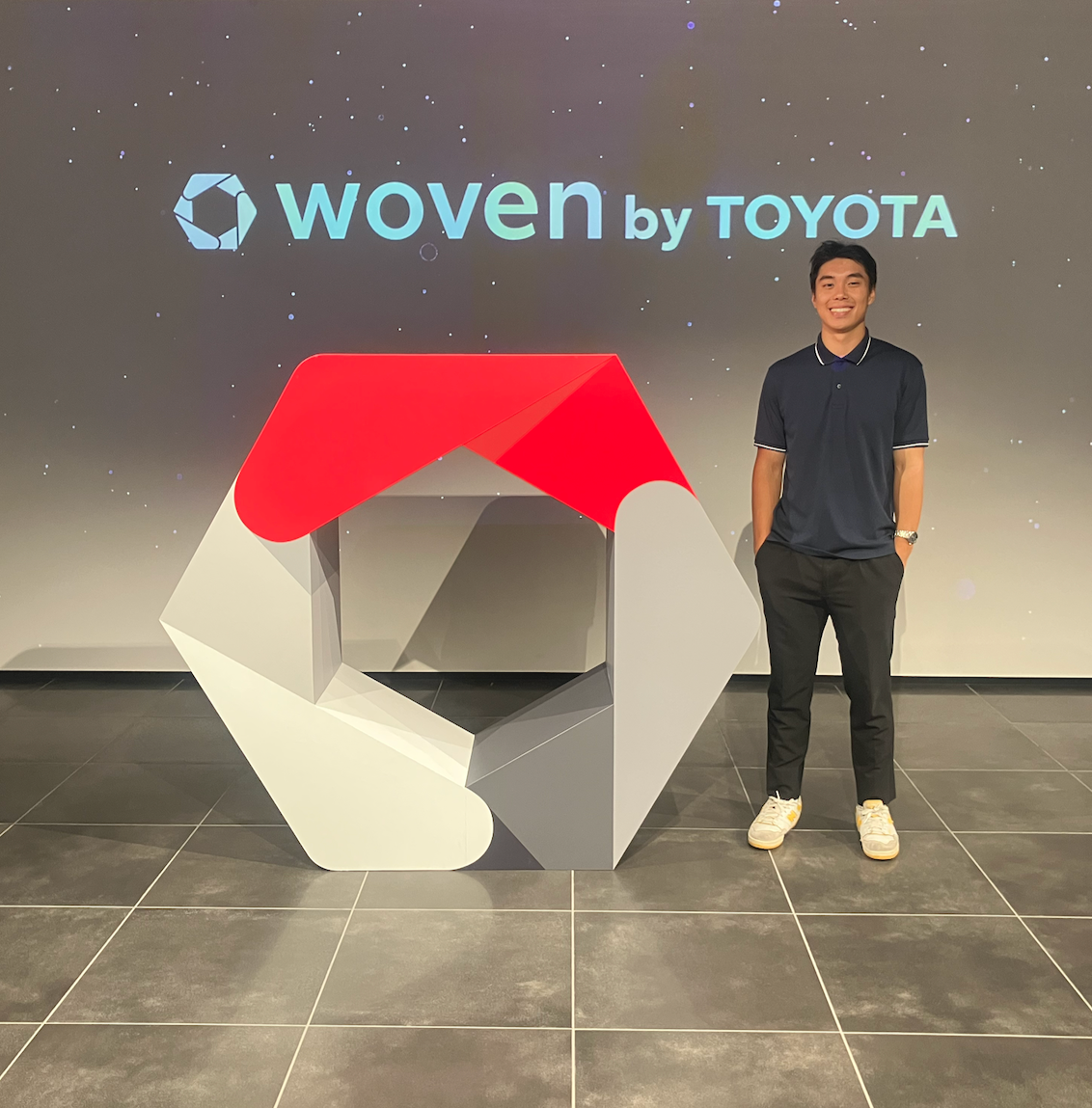
Fig. Presentation day after 13 weeks of hard work!
The Approach
Sensor Housing Design
Defined requirements & constraints, ensured compatibility with existing roof-pod assemblies
CAD modeled the housing in SolidWorks, matching complex industrial design surfaces
Evaluated multiple attachment methods, performed tolerance analysis and applied block tolerances
Produced engineering drawings for manufacturing and deployment across test vehicles
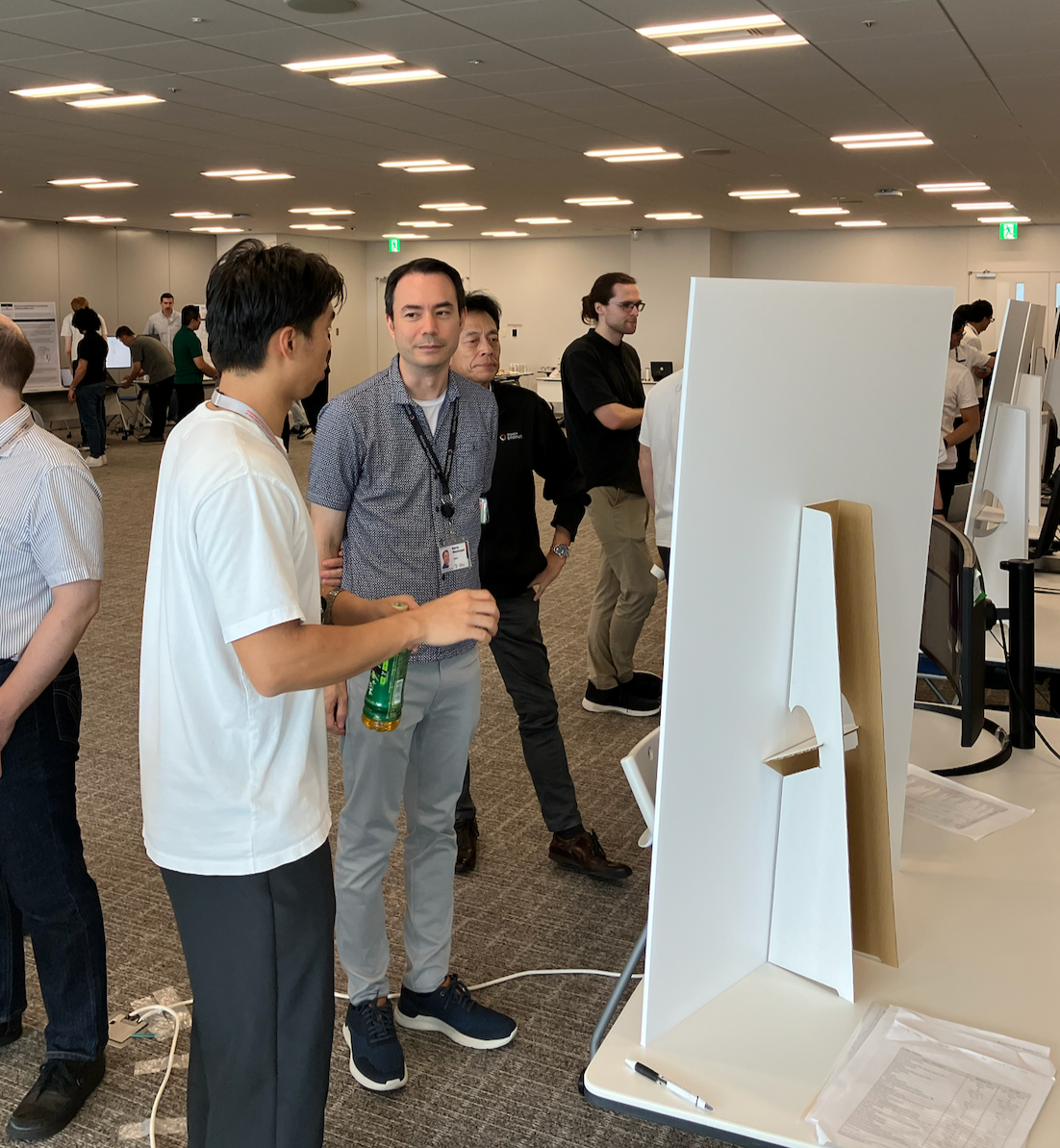
Fig. Presenting to Toyota & Woven Execs
Incident Triage & Data Analysis
Investigated autonomous driving incidents by comparing ground truth sensor data against simulation and visualization outputs.
Identified whether failures modes & their root causes via data analysis
Developed automated workflows using Python and shell scripting + integrated Gen-AI tools
The Result & Impact
Delivered a production-ready sensor housing installation across 30+ autonomous test vehicles.
Resolved 150+ autonomous driving incident tickets
Increased issue classification accuracy and reduced analysis time by developing automated workflows
Enabled faster feedback loops between test operations and engineering teams